
For research
Study orbits and clocks.
Explore how satellite orbits and clocks change, with original messages to revisit.
Ground Monitoring for Space Integrity
NavListen records satellite navigation messages so we can study orbits, clocks, and signals. Host an observer, explore the data, or help build the tools.
Open hardware. Open software. Everyone’s welcome.
One observatory.
A whole sky to explore.
Why listen
Navigation satellites broadcast the orbit and clock data receivers use to calculate position and time. They also send information about satellite health and available signals.
NavListen archives these messages and compares observations from different stations. Researchers and builders can return to the original data to investigate changes and develop their own tools.
For research
Explore how satellite orbits and clocks change, with original messages to revisit.
For operations
Study observations from your receiver alongside data from other stations.
For builders
Use the hardware, software, and API to create tools and experiments.
How it works
Receive, archive, decode, and compare satellite messages.
Receive
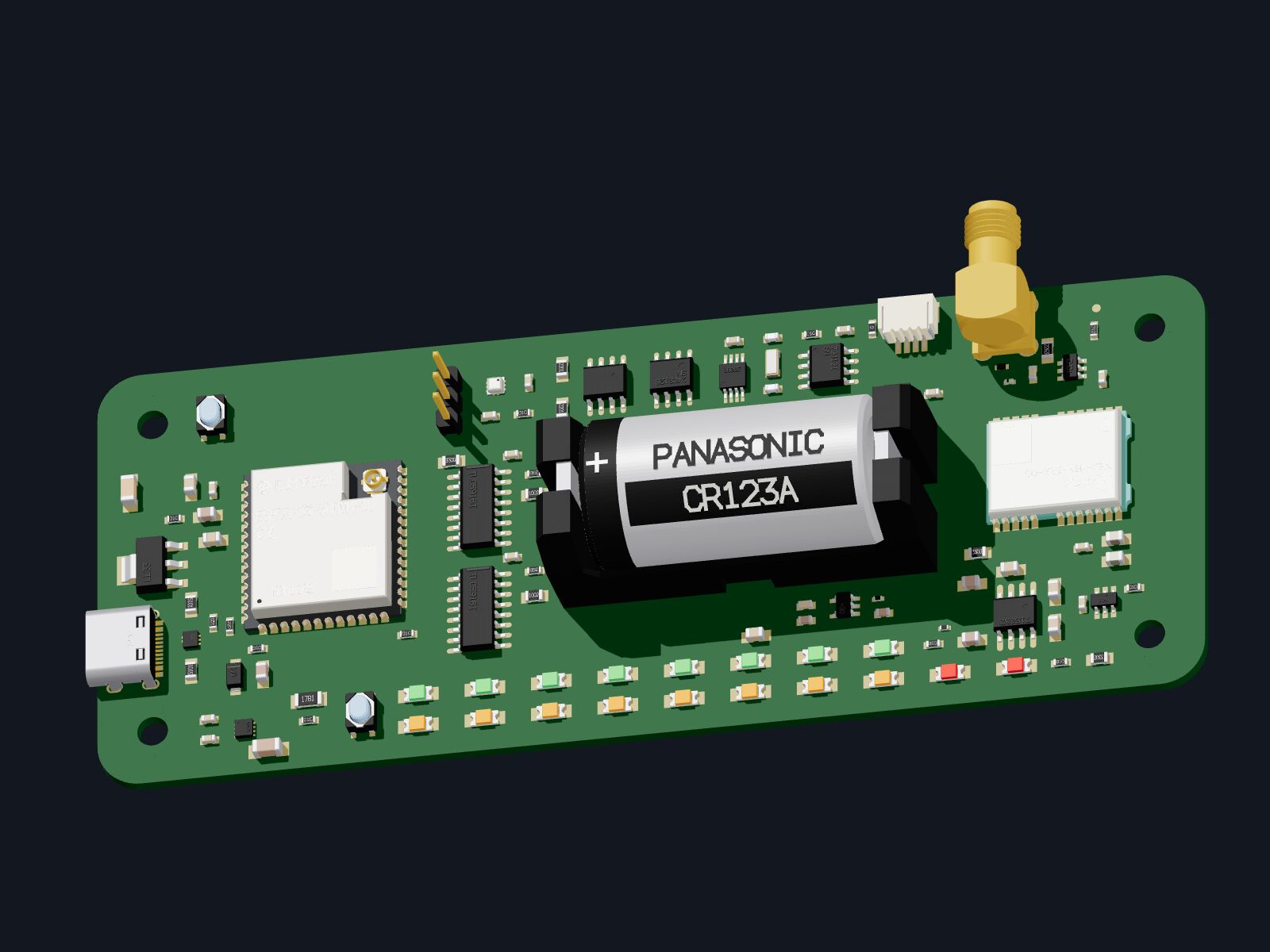
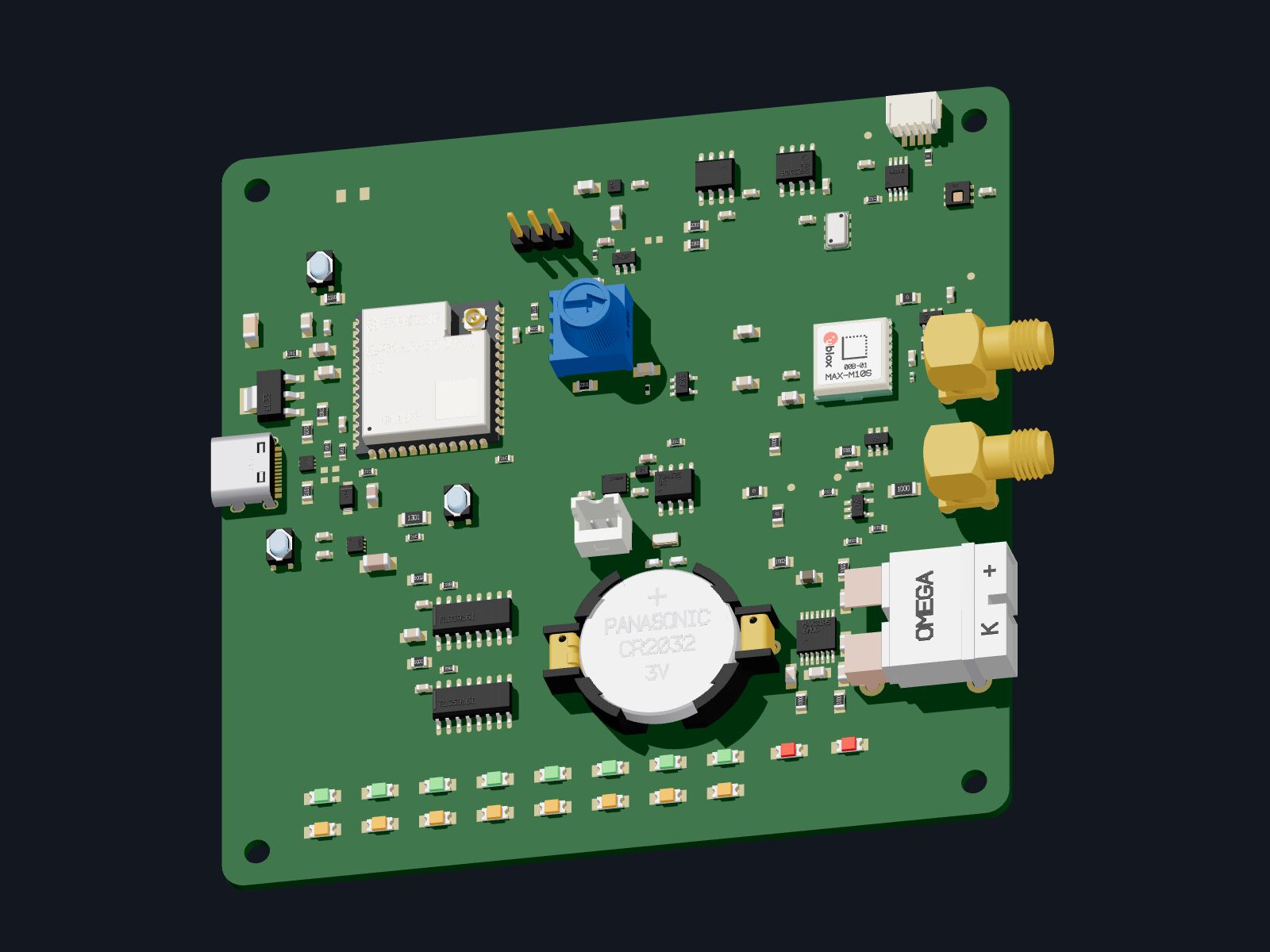
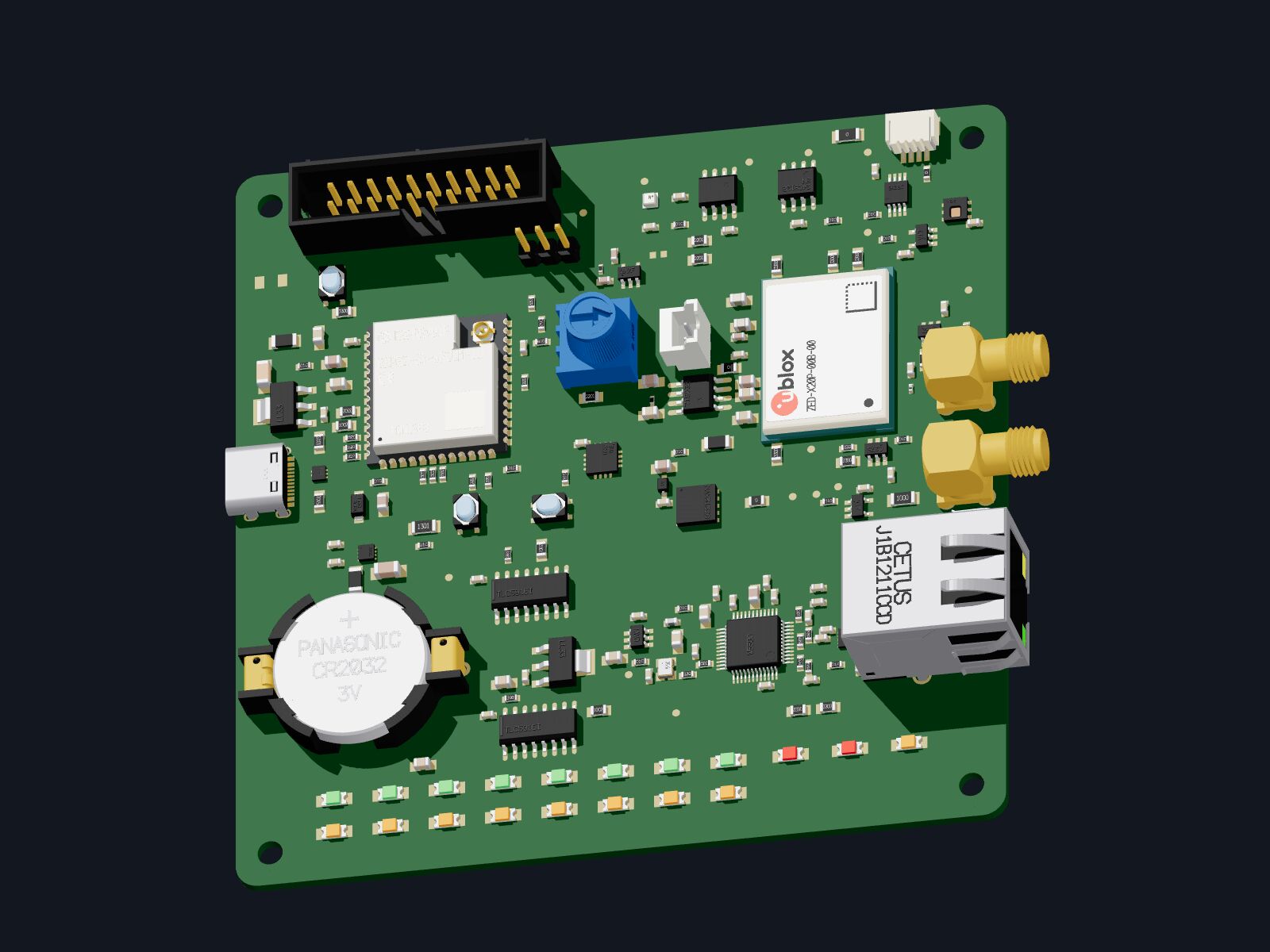
Bring a patch of sky into focus. Our purpose-built ESP32-S3 observer combines a satellite receiver, Wi-Fi, and station sensors on one board.
Record
Feeder software sends the messages to a collector. The archive keeps each original message with the identity of the station that received it.
Understand
Decoders turn supported broadcasts into satellite orbits, clock corrections, and health information. The calculations follow published signal specifications.
Explore
Compare observations across stations and over time. Use the API and Integrity Station app to explore the data, investigate changes, and build your own tools.
A small board. A whole sky.
Put your corner of the sky to work. The observer sends satellite messages and local conditions to NavListen over Wi-Fi. Its constellation lights bring reception to your desk, with brightness you can adjust at a touch.
Ask about the observerReceiver options
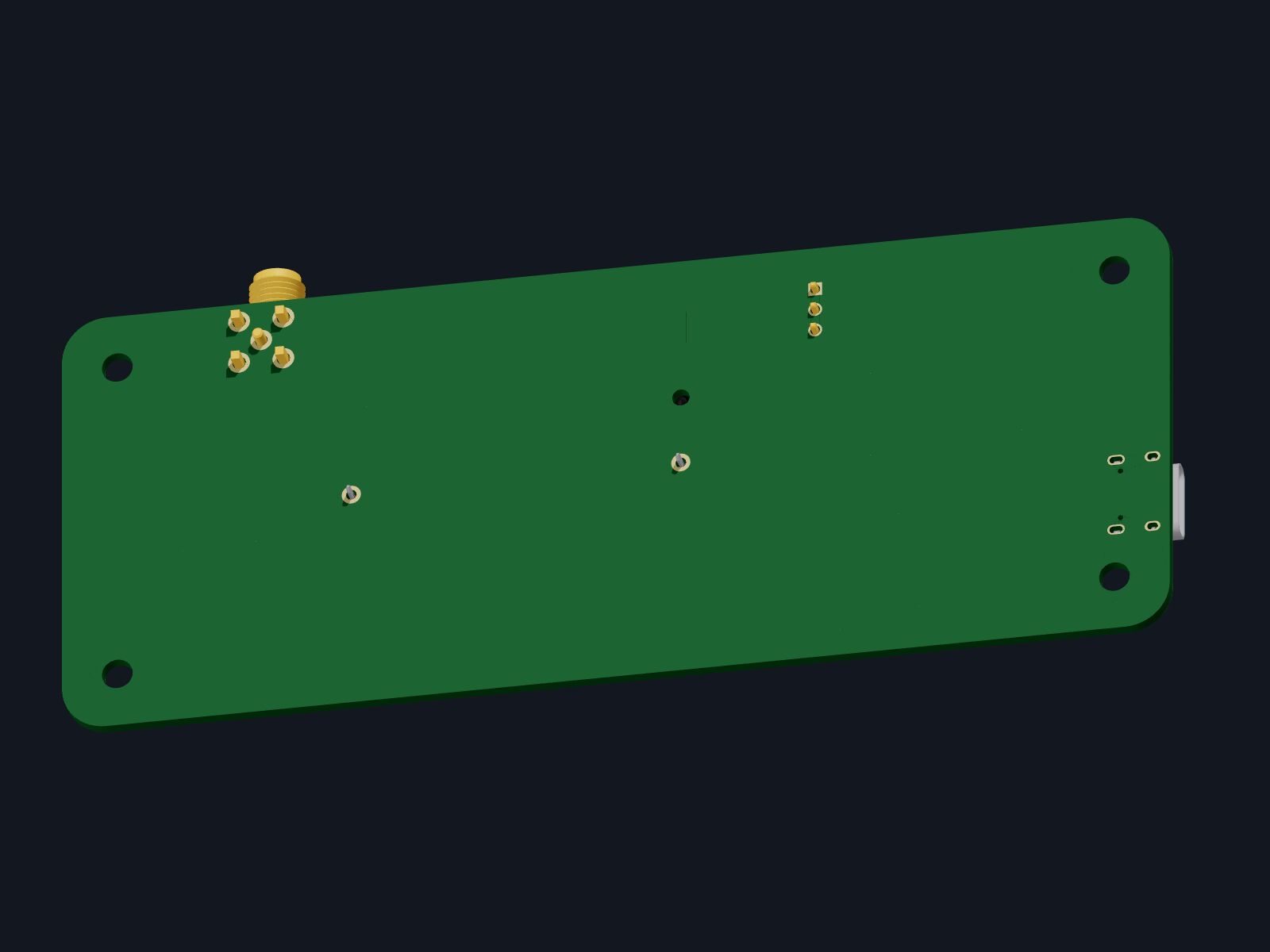
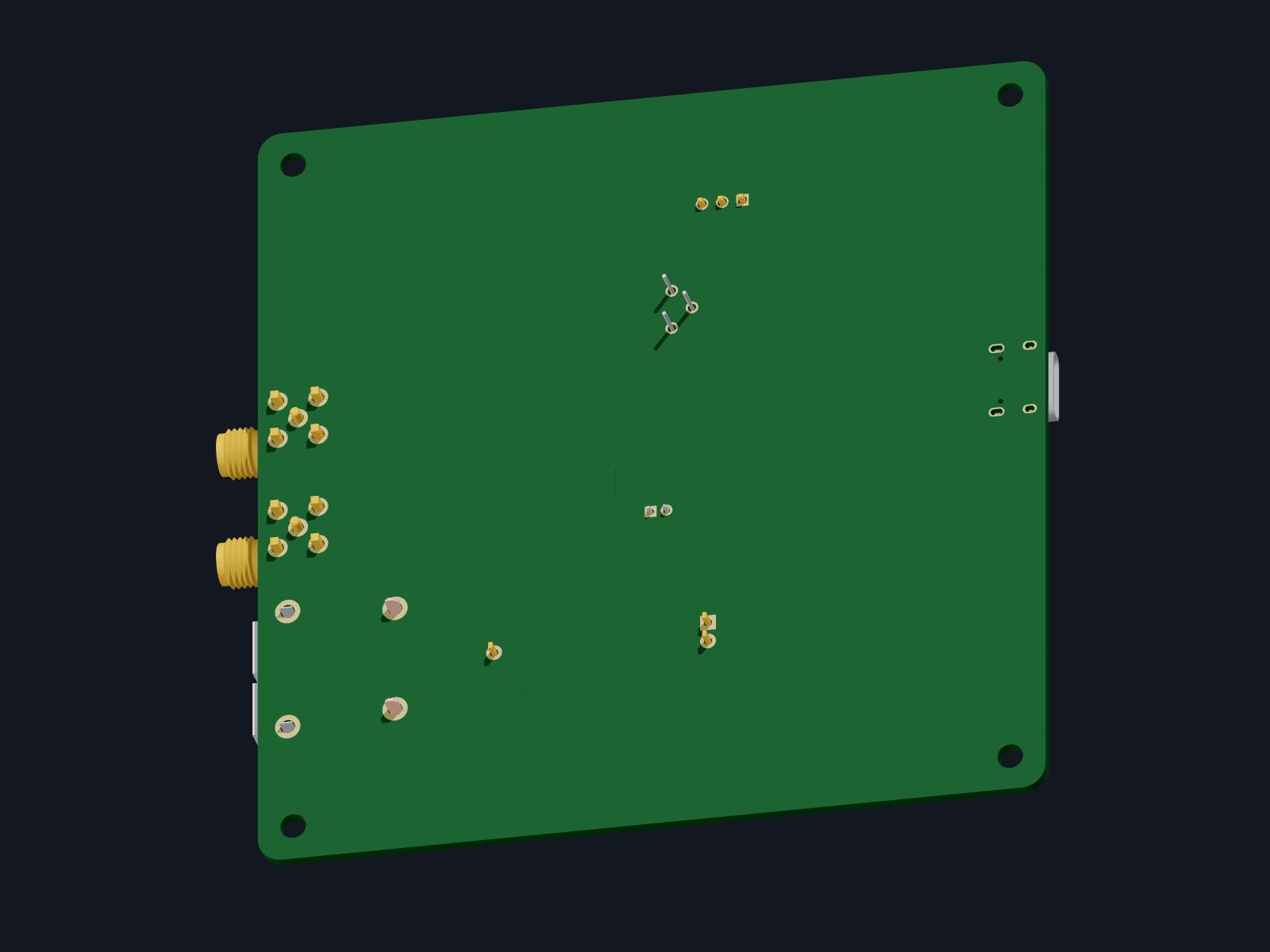
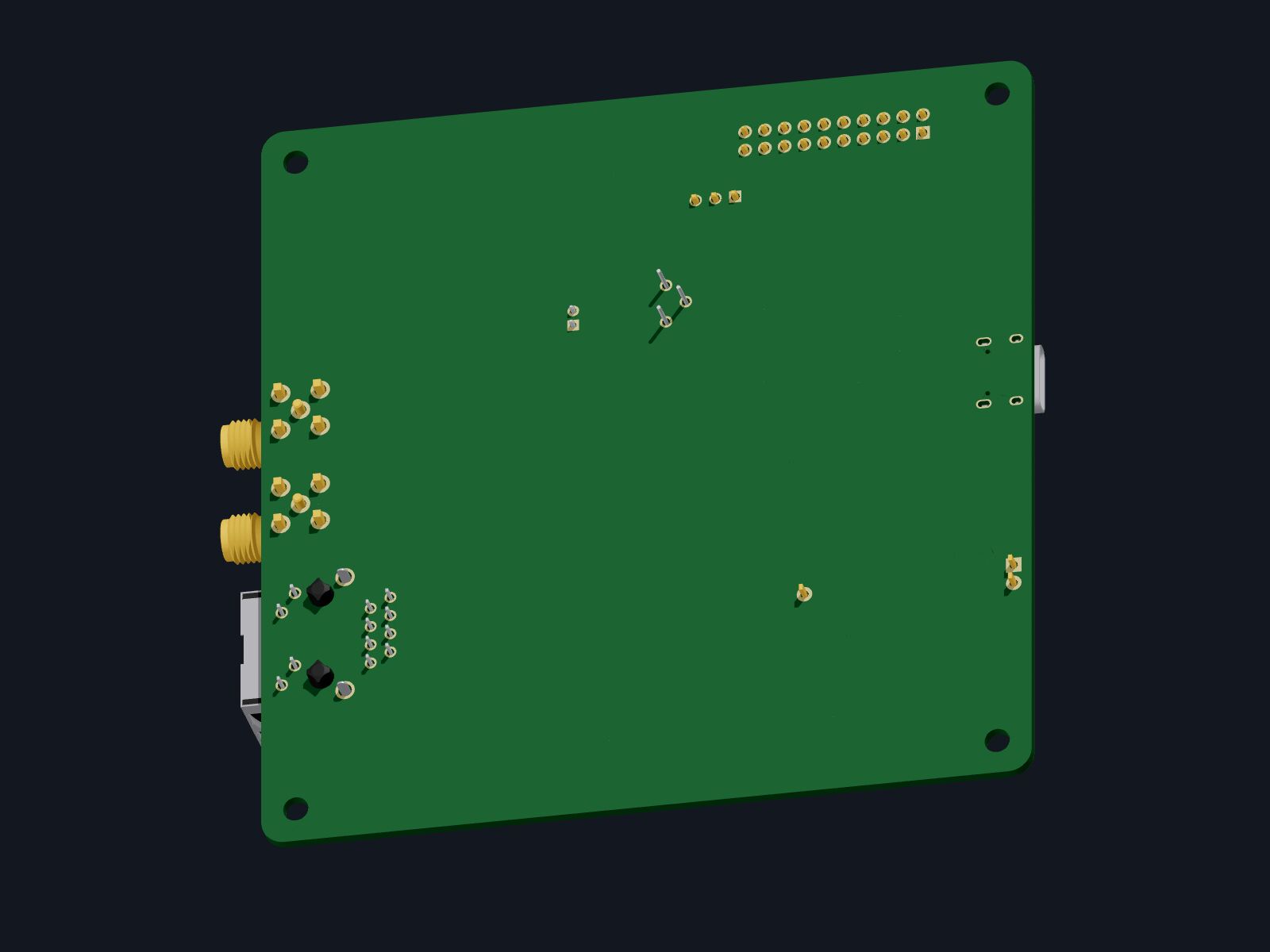
Each board is sized for a different receiver module. Explore the components in these 3D renders, shown with a classic green PCB finish.
Integrity Station companion app
From the first connection to your next discovery, keep your observer close.
Make the connection
Scan your observer’s setup label with your iPhone or iPad. Bluetooth setup brings your Wi-Fi and station details across. Your patch of sky joins the picture.
Stay in touch
Check reception, local conditions, and station health from your iPhone, iPad, or Mac. Private diagnostics help you spot interruptions and understand what changed.
Keep discovering
Bring improvements to your observer with signed firmware updates over Wi-Fi. Choose when to update and check its firmware version in the app.
A record you can return to as the tools improve.
A reusable message archive
NavListen keeps original navigation messages alongside their decoded information. As decoders improve or new questions arise, you can run the calculations again using the same recorded data.
Explore decoders and orbit models written from published satellite specifications.
Review orbit, clock, and receiver observations alongside recorded events.
Use the API, event stream, and Integrity Station app in your own investigations.
Expand the network
Stations in different locations receive signals from different satellites. Their observations help us compare local conditions and study regional navigation systems. Host an observer at home, on campus, or at work to contribute data from your location.
Explore hosting a stationHost, build, or contribute
This project gets better with more disciplines, more stations, and more points of view. You’re welcome whether satellite navigation is your day job or a new curiosity.
Have room for an antenna and an internet connection? Start with our observer or a supported receiver. Tell us where you’d like to listen and we’ll help you find a setup.
Talk about hostingHelp with hardware, software, testing, documentation, or design. Bring a skill you enjoy using, or something you’d like to learn.
Find a way to contributeA research question, a classroom project, a useful connection, or an idea we haven’t thought of. We’d like to hear what brought you here.
Share an ideaFor teams & organizations
Understand observations at your site, answer a research question, or put navigation data to use in your own tools. Let’s talk about the results you need and how NavListen can help.
A conversation is a good place to start.
Getting started
Find out what you need to host an observer, use your receiver, or contribute without hardware.
Give your observer a suitable antenna with a clear view of the sky, USB-C power, and Wi-Fi. Scan its setup label with Integrity Station on your iPhone or iPad to connect over Bluetooth and add your network and station details. Browser setup is available too. We’ll help you choose the right antenna and find a good spot.
Absolutely. Software, documentation, design, testing, and research all help the project grow. Tell us what interests you and we’ll find a useful place to begin.
We welcome conversations about research deployments, site monitoring, and integration into your own tools. Share your goals, location, and timeline so we can discuss the hardware, data access, and support that fit your project.
The stack works with u-blox and Septentrio receiver data. The messages available depend on the model and firmware: u-blox navigation messages are decoded centrally, while Septentrio data is currently captured for the archive. Send us your receiver model and we’ll help check what it can contribute.